Children's Foot Pain in Glasgow
Children's foot pain should not be dismissed as normal growing pains if it is stopping sport, changing walking or causing repeated complaints. The right assessment can give clarity and reassurance.
Book at our Dennistoun clinic
568 Alexandra Parade, Dennistoun, Glasgow G31 3BP. Our Dennistoun clinic has step-free access. Call reception if you need help planning your visit.
Book a children's gait and posture assessment in Dennistoun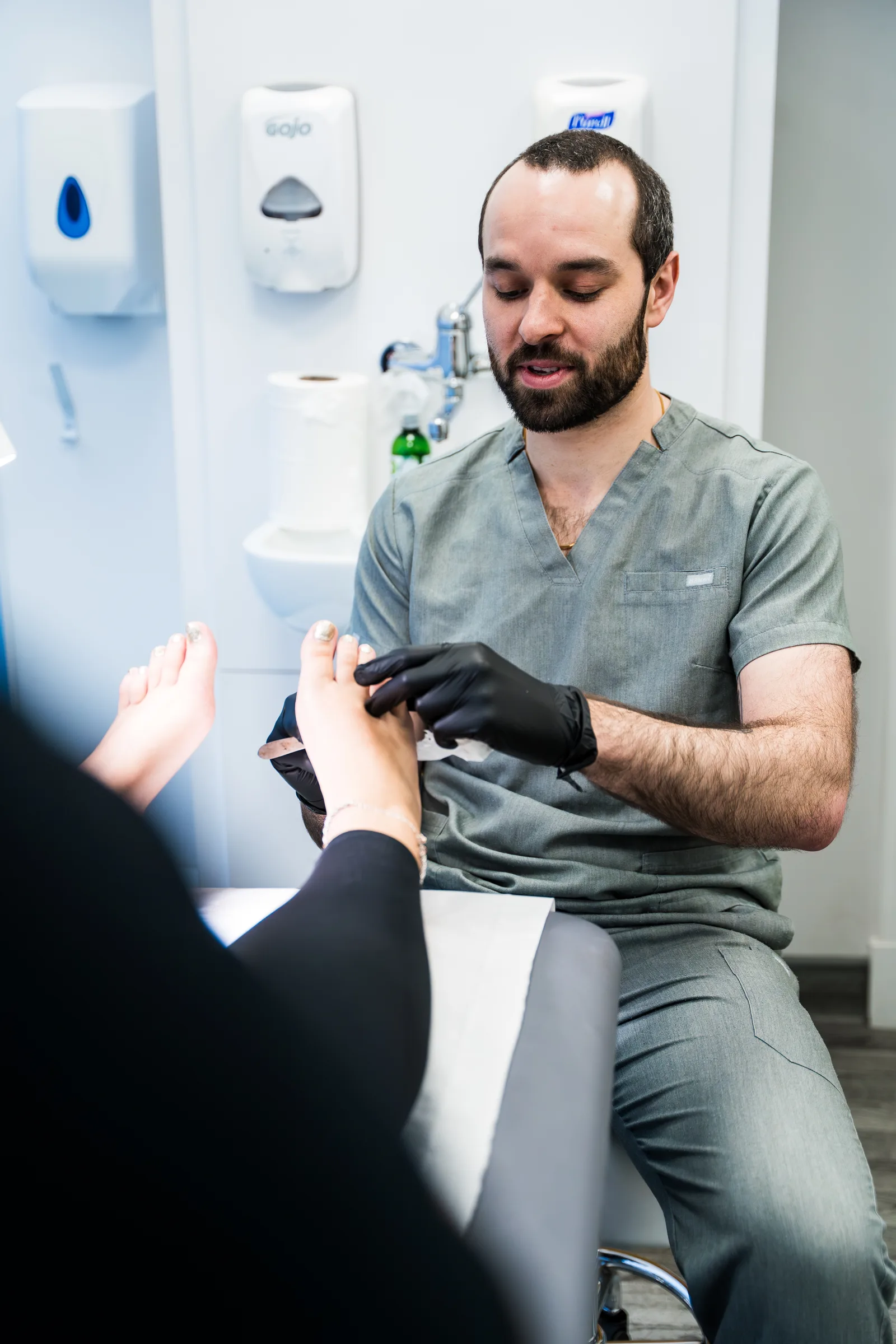
Which appointment should I book?
Choose Paediatrics Gait & Posture Assessment for a child's foot pain, walking or movement concern. Tell reception your child's age and main concern if you need help deciding. This is different from a verruca or skin-and-nail appointment.
- 568 Alexandra Parade, Dennistoun, Glasgow G31 3BP
- This link already selects Dennistoun and the appointment type. Choose a practitioner and time where offered.
- For help choosing, call reception on 0141 363 0306.
You deserve a clear answer, not more guessing.
At The Hub Glasgow, podiatry, physiotherapy, diagnostics and rehabilitation sit together. That means we can look at the problem properly and guide you to the right next step.
From everyday foot care to more complex pain.
The Hub Glasgow brings podiatry, MSK assessment, in-house diagnostic ultrasound, gait thinking and rehabilitation together. That is useful when symptoms are painful, recurring, unclear or stopping you from walking, running, training or working comfortably.
What it can feel like
Children may complain of heel pain, arch pain, ankle pain, limping, sore legs after activity or discomfort in school shoes or sports footwear.
Common causes
- Heel growth plate irritation
- Activity load during growth
- Footwear fit issues
- Flexible foot posture
- Sprains or sports injuries
How we assess it
Assessment considers age, growth stage, activity level, footwear, walking pattern, painful areas and whether symptoms behave like a common growth-related issue or need further review.
Treatment options
- Activity and load guidance
- Footwear advice for school and sport
- Exercises when strength or control is relevant
- Heel cups, insoles or orthotic advice when appropriate
- Referral guidance if symptoms are unusual or concerning
Questions people often ask
Is heel pain common in active children?
Yes, especially during growth spurts, but it should still be assessed if it is limiting sport, causing a limp or not settling.
Should children just rest until pain goes away?
Rest alone often does not solve the reason pain started. A plan should usually include load advice, footwear and a clear return to activity.
Where would my appointment take place?
568 Alexandra Parade, Dennistoun, Glasgow G31 3BP. Our Dennistoun clinic has step-free access. Call reception if you need help planning your visit. This link already selects Dennistoun and the appointment type. Choose a practitioner and time where offered.
Which appointment does this guide link to?
Choose Paediatrics Gait & Posture Assessment for a child's foot pain, walking or movement concern. Tell reception your child's age and main concern if you need help deciding. This is different from a verruca or skin-and-nail appointment.