
Knee Pain When Running in Glasgow
Knee pain when running can come from training load, strength capacity, running mechanics, footwear, previous injury or irritation around the kneecap, tendons or joint. We help runners understand the cause and build a clear return plan.
Choose the right first assessment
Compare what each appointment includes, then choose the clinician, location and available time on the booking guide.
Compare lower-body first appointments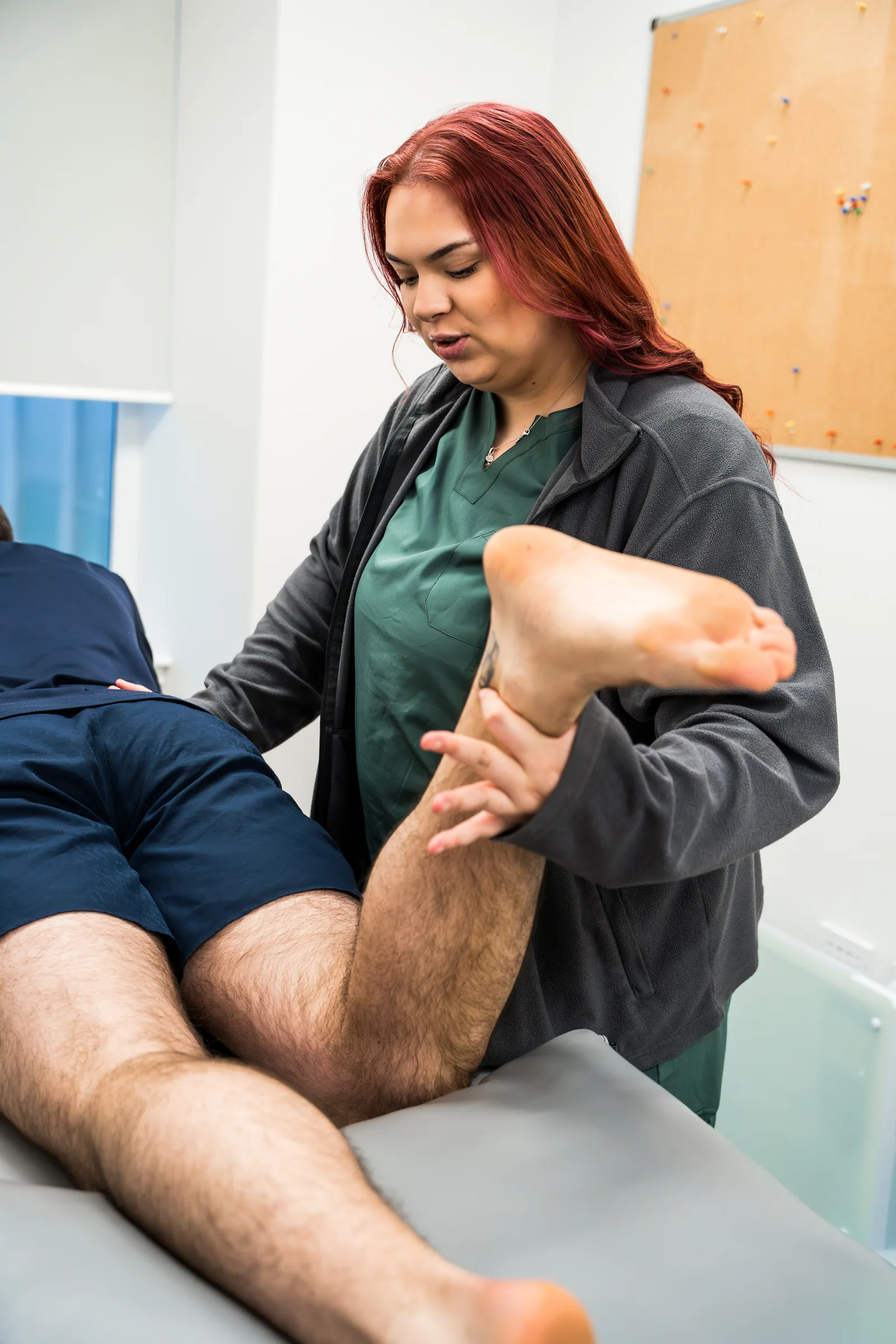
Which appointment should I book?
For foot, ankle, knee, hip or lower-back pain, compare the £149 team MSK assessment (60 minutes, no scan included) with Sarah-Jane's £195 biomechanics-led assessment (75 minutes, ultrasound if the area can be scanned and it is clinically useful). Choose your appointment and clinician on the booking guide before selecting a time.
- This link opens the upper- or lower-body comparison first; it does not reserve Dennistoun or a clinician. Choose the assessment, clinic and available time on the booking guide.
- For help choosing, call reception on 0141 363 0306.
You deserve a clear answer, not more guessing.
At The Hub Glasgow, podiatry, physiotherapy, diagnostics and rehabilitation sit together. That means we can look at the problem properly and guide you to the right next step.
From everyday foot care to more complex pain.
The Hub Glasgow brings podiatry, MSK assessment, in-house diagnostic ultrasound, gait thinking and rehabilitation together. That is useful when symptoms are painful, recurring, unclear or stopping you from walking, running, training or working comfortably.
What it can feel like
Pain may sit around the kneecap, outside of the knee, below the kneecap, inside the knee or appear after a certain distance.
Common causes
- Training load spikes
- Patellofemoral pain
- Tendon irritation
- IT band related pain
- Strength or control deficits
How we assess it
Assessment may include movement testing, strength testing, running history, gait analysis where useful and a plan for modifying training without losing momentum.
Treatment options
- Running load adjustment
- Strength and control work
- Gait analysis and running advice
- Physiotherapy-led rehab
- Return-to-running progression
Questions people often ask
Do I need to stop running completely?
Not always. The aim is often to find a tolerable level of running while building capacity, but some symptoms need a short reduction.
Can weak hips cause knee pain?
Hip strength and control can contribute for some people, but knee pain usually has more than one factor.
Where would my appointment take place?
The booking guide shows the clinic and clinician available for each appointment. This link opens the upper- or lower-body comparison first; it does not reserve Dennistoun or a clinician. Choose the assessment, clinic and available time on the booking guide.
Which appointment does this guide link to?
For foot, ankle, knee, hip or lower-back pain, compare the £149 team MSK assessment (60 minutes, no scan included) with Sarah-Jane's £195 biomechanics-led assessment (75 minutes, ultrasound if the area can be scanned and it is clinically useful). Choose your appointment and clinician on the booking guide before selecting a time.